- Get in Touch with Us

Last Updated: Aug 05, 2026 | Study Period: 2026-2032
Built on plant-level operational data, starch-to-sugar conversion efficiencies, cellulosic commercialisation pipelines, and catalyst reload cycles, this report evaluates which specialized chemical catalyst and advanced enzymatic systems will dominate global bioethanol synthesis through 2031 — as traditional corn/sugarcane ethanol reaches statutory blending limits and 2G cellulosic feedstock scaling accelerates.
Scope note. These market figures reflect analyst-derived estimates built bottom-up from primary ethanol production volumes (US, Brazil, India, EU) and enzyme/chemical catalyst loading rates. A broad-scope valuation including process technology licensing, fermentation hardware, and engineering services is provided in Section 5.
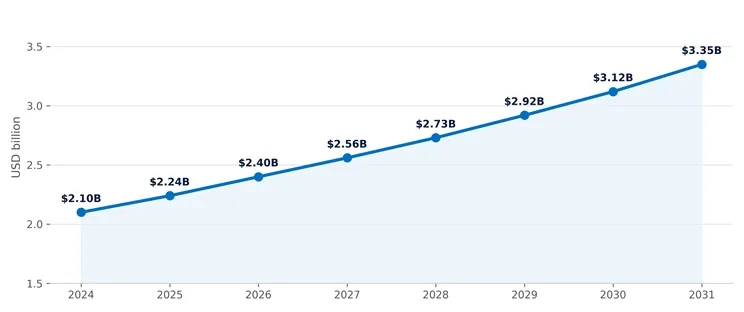
The 2024 midpoint is derived from an estimated $42-$48 billion installed asset replacement value for in-scope commercial starch, sugar, and lignocellulosic bioethanol processing facilities globally. An external catalyst consumption factor of roughly 4.2%-5.0% of operating expenses is applied by plant type, adjusted for proprietary fermentation yields, enzyme recirculation, and feedstock variability. This produces a base-year range of $1.95-$2.30 billion.
Growth to 2031 is propelled by escalating global decarbonization policies rather than bioethanol volume expansion alone. Transitioning toward 2G cellulosic bioethanol requires high-performing cellulase and hemicellulase complexes capable of degrading resistant biomass. Furthermore, thermochemical synthesis and ethanol-to-jet Sustainable Aviation Fuel (SAF) pathways introduce high-value catalytic steps, elevating overall catalyst spend per gallon produced.
Bioethanol catalysts and specialized industrial enzymes are fundamental to converting starch, sugar, and lignocellulosic biomass into high-purity ethanol fuel. The scope encompasses enzymatic hydrolyzers (alpha-amylase, glucoamylase, cellulases, xylanases), solid acid and zeolite catalysts for dewatering/etherification, homogeneous/heterogeneous acid and base catalysts, and specialized thermochemical reform catalysts. Covered operations include liquefaction, saccharification, simultaneous saccharification and fermentation (SSF), cellulosic pre-treatment breakdown, and catalytic dehydration.
The market differs structurally from commodity industrial chemical sectors. Biorefineries operate with continuous fermentation loops where minor changes in enzymatic activity, temperature sensitivity, or contaminant tolerance directly dictate ethanol conversion yields. A catalyst or enzyme failure results in immediate batch contamination, unreacted starch loss, and increased energy consumption during distillation. Consequently, plant operators privilege proven enzymatic stability and precise supplier technical support over unproven low-cost alternatives.
By 2031, bioethanol catalyst deployment will be increasingly customized and biology-driven. The United States and Brazil will maintain high absolute volume demand, but rapid growth will center in India, Southeast Asia, and Eastern Europe as national biofuel policies mandate higher ethanol blend rates (e.g., E20 mandates). Localized application engineering and custom enzyme cocktail blending become contractual prerequisites to adapt to diverse regional feedstocks including corn, sugarcane bagasse, cassava, and agricultural residues.
Catalyst performance per ton of biomass will increase significantly as protein engineering and synthetic biology yield ultra-efficient multi-enzyme systems. Companies such as Novonesis and IFF are deploying tailored enzyme cocktails designed to withstand high organic acid concentrations and furfural inhibitors present in 2G lignocellulosic hydrolysates. Concurrently, catalytic ethanol-to-ethylene and ethanol-to-jet (SAF) processes are commercializing, introducing zeolites and noble metal catalysts to traditional biorefinery footprints.
Table 1 - Adoption maturity and directional trend across bioethanol catalyst categories, 2024-2031.
| Catalyst / Service Line | Adoption Level | 2024-2031 Directional Trend |
|---|---|---|
| Liquefaction Amylases | Very High | Mandatory across starch-based 1G plants; shift toward low-pH and high-temperature stable variants. |
| Saccharification Glucoamylases | Very High | Universal adoption; emphasis on advanced cocktail blends that reduce reaction time and residual sugars. |
| Cellulases & Hemicellulases | High (2G) | Rapid scaling in 2G lignocellulosic biorefineries; focus on inhibitor tolerance and dosage reduction. |
| Zeolite Dewatering Catalysts | High | Standard in molecular sieve ethanol dehydration; long-life synthetic zeolites expanding share. |
| Solid Acid / Heterogeneous Catalysts | Medium-High | Replacing liquid acids in pre-treatment and esterification to mitigate equipment corrosion. |
| Thermochemical Reform Catalysts | Emerging | Growing adoption in ethanol-to-SAF and bio-chemical conversion facilities using noble metal/zeolite matrices. |
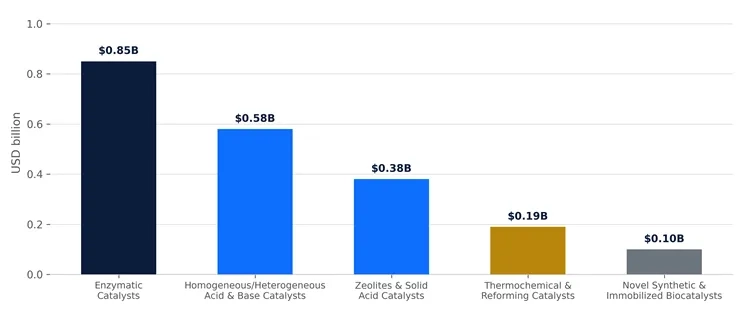
Table 2 - Regional revenue breakdown, forecast growth rates, and structural market position, 2024-2031.
| Region | 2024 Share | CAGR | Demand and Service Position |
|---|---|---|---|
| North America | 40% | 5.2% | Largest installed capacity; mature 1G corn ethanol market transitioning to high-efficiency yield enzymes and ethanol-to-SAF pathways. |
| South America (Brazil) | 28% | 6.8% | Sugarcane and expanding corn ethanol base; strong demand for robust yeasts, amylases, and acid-resistant catalysts. |
| Europe | 16% | 4.5% | Strict RED II/III mandates driving 2G lignocellulosic catalyst innovation and low-carbon intensity (CI) certified enzymes. |
| Asia-Pacific | 12% | 10.8% | Fastest-growing corridor; India's E20 program and Southeast Asian cassava/grain ethanol expansions create massive new demand. |
| Rest of World | 4% | 3.8% | Selective grain and molasses biorefineries in Africa and Middle East; reliance on imported packaged enzyme formulations. |
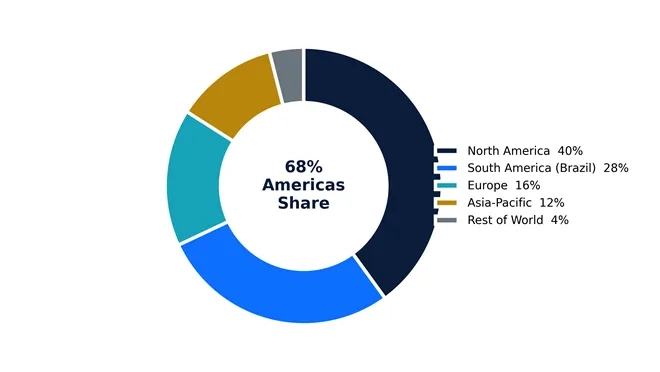
Table 3 - Market value and growth projections across primary application families, 2024 vs 2031 (USD billion).
| Application Family | 2024 | 2031 | CAGR | Catalyst & Technical Demand |
|---|---|---|---|---|
| Starch-based Fermentation (1G) | $0.85B | $1.22B | 5.3% | Dominant revenue pool; demand for thermostable alpha-amylases and glucoamylase cocktails. |
| Lignocellulosic Conversion (2G) | $0.48B | $0.95B | 10.2% | Rapid expansion; requires advanced cellulase complexes and severe pre-treatment acid catalysts. |
| Sugar & Molasses Fermentation | $0.42B | $0.58B | 4.7% | Sugarcane juice and molasses ethanol; high demand for anti-microbial processing aids and enzymes. |
| Syngas & Thermochemical Catalysis | $0.22B | $0.36B | 7.3% | Gasification pathways; synthesis gas catalysts and catalytic tar reformers for waste-to-ethanol. |
| Advanced Synthetic & Algal Bioethanol | $0.13B | $0.24B | 9.1% | Niche high-tech segment; engineered biocatalysts and immobilised enzymatic reactors. |
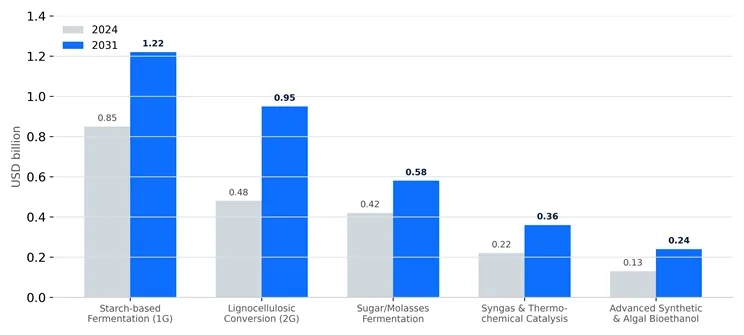
Table 4 - Key vendor groups, representative industry participants, and primary market positions.
| Provider Group | Representative Participants | Primary Service & Catalyst Position |
|---|---|---|
| Enzyme OEM Ecosystems | Novonesis (Novozymes/Chr. Hansen), IFF (Danisco), DSM-Firmenich, AB Enzymes | Proprietary high-efficiency liquefaction/saccharification enzymes, technical yield consulting, dynamic dose monitoring. |
| Chemical Catalyst OEMs | BASF, Clariant, Honeywell UOP, W. R. Grace, Johnson Matthey | Zeolites, molecular sieves, solid acid catalysts, thermochemical reformers for ethanol-to-chemicals/SAF. |
| Regional Blenders & Distributors | Brenntag, Univar Solutions, Barentz, local regional chemical suppliers | Local storage, bulk liquid logistics, CIP chemical delivery, custom acid/base buffer formulating. |
| Biotech & Process Integrators | LanzaTech, Praj Industries, Axens, Topsoe, Green Plains | Complete process licensing, custom catalyst integration, 2G biorefinery technology turn-key deployment. |
The estimate uses a bottom-up installed-capacity method. Biorefinery plant types are mapped across starch, sugar, and lignocellulosic conversion routes globally. Operating capacity and replacement expenditure are derived from public energy agency disclosures, biofuel trade association reports, and OEM technical service documentation. Each plant archetype is assigned a catalyst and enzyme consumption factor based on feedstock composition, processing temperature, residence time, and conversion efficiency.
Regional allocation utilizes national bioethanol production volumes, blending mandate timelines, plant expansion announcements, and regional supply chain maturity. Forecast rates reflect national carbon reduction policies, 2G commercialization speed, protein engineering advances, and chemical feedstock price dynamics. Company-specific bioethanol catalyst revenue is rarely disclosed separately; supplier shares are analyst estimates validated through industry expert interviews.
The bioethanol catalyst market is evolving from a commodity chemical input sector into a high-value technology driver of plant yield and low-carbon compliance. The Americas will remain the bedrock of volume demand, while Asia-Pacific presents the highest growth rate driven by aggressive blending mandates. Success for catalyst and enzyme suppliers will depend on continuous strain optimization, robust technical field support, and strategic alignment with emerging ethanol-to-SAF catalytic pathways.
| Sr No | Topic |
|---|---|
| 1 | Market Segmentation |
| 2 | Scope of the report |
| 3 | Research Methodology |
| 4 | Executive summary |
| 5 | Key Predictions of Bioethanol Catalyst Market |
| 6 | Avg B2B price of Bioethanol Catalyst Market |
| 7 | Major Drivers For Bioethanol Catalyst Market |
| 8 | Global Bioethanol Catalyst Market Production Footprint - 2025 |
| 9 | Technology Developments In Bioethanol Catalyst Market |
| 10 | New Product Development In Bioethanol Catalyst Market |
| 11 | Research focuses on new Bioethanol Catalyst |
| 12 | Key Trends in the Bioethanol Catalyst Market |
| 13 | Major changes expected in Bioethanol Catalyst Market |
| 14 | Incentives by the government for Bioethanol Catalyst Market |
| 15 | Private investments and their impact on Bioethanol Catalyst Market |
| 16 | Market Size, Dynamics, And Forecast, By Type, 2026-2032 |
| 17 | Market Size, Dynamics And Forecast, By Output, 2026-2032 |
| 18 | Market Size, Dynamics, And Forecast, By End User, 2026-2032 |
| 19 | Competitive Landscape Of Bioethanol Catalyst Market |
| 20 | Mergers and Acquisitions |
| 21 | Competitive Landscape |
| 22 | Growth strategy of leading players |
| 23 | Market share of vendors, 2025 |
| 24 | Company Profiles |
| 25 | Unmet needs and opportunities for new suppliers |
| 26 | Conclusion |
© 2017-2026 Mobility Foresights Pvt Ltd. All rights reserved.
Developed with by ClousTech